Play Smarter: A Gaming Wellness Checklist for Balance
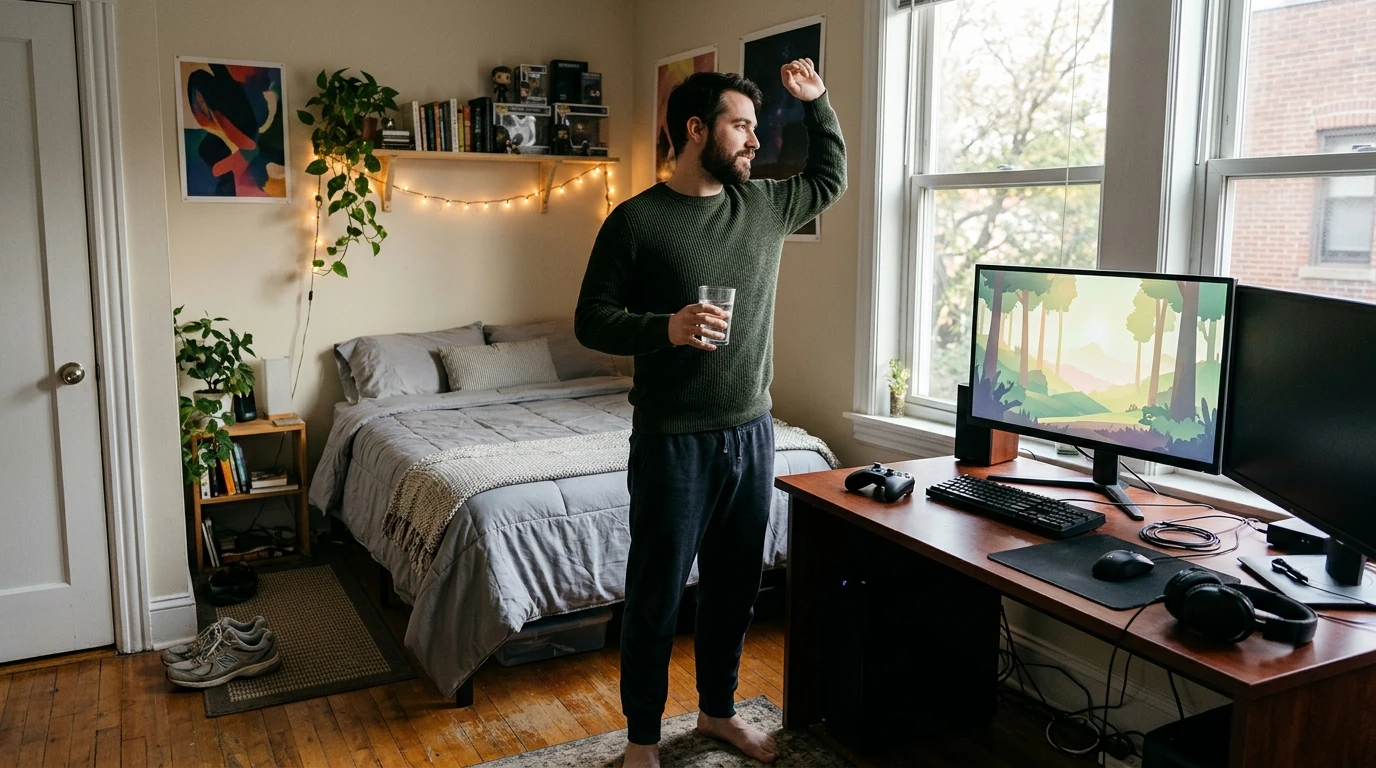
Gaming can bring enjoyment, connection, and a satisfying challenge to your day. It can also be easy to lose track of time when a match runs long or a new level is just within reach. A healthier balance doesn’t have to mean giving up the games you love; it means noticing how play fits alongside sleep, movement, relationships, and responsibilities.
Our approach starts with a few practical questions rather than a rigid rule about how many hours you should play. A digital gaming wellness checklist can give you a reason to pause and reflect, while small adjustments can help you make room for both gaming and the rest of your life.
Can Video Games Support Mental Well-Being?
For some people, games offer a way to unwind, connect with friends, or enjoy working toward a goal. Completing a difficult puzzle or learning a new skill can provide a sense of accomplishment. Cooperative games may also create opportunities to spend time with people you don’t see in person often.
Those experiences aren’t universal. The effect of gaming can vary with the person, the game, the community, and the habits surrounding play. A competitive session might feel energizing one day and frustrating the next. A game that helps one person relax may leave someone else feeling tense.
It helps to pay attention to your own experience instead of assuming that gaming is always helpful or harmful. Games are not a substitute for mental health care. If you’re struggling, the National Institute of Mental Health’s guidance on caring for your mental health offers a starting point for considering support.
Use a Simple Gaming Wellness Check-In
Before you start playing, notice how you feel and what you need from the session. Are you looking for a social activity, a challenge, or a quiet break? Afterward, ask whether the experience matched what you wanted. You can also notice whether you stopped when you intended and whether you left enough time for other priorities.
Our check-in below is a practical reflection tool, not a diagnostic test. You don’t need perfect answers; look for patterns that might suggest a useful change.
| Area | Question to ask | Possible adjustment |
|---|---|---|
| Mood | How do I feel after playing? | Choose a different game or take a break if play regularly leaves me upset. |
| Sleep | Does gaming delay my bedtime? | Set a stopping time that protects my sleep. |
| Daily balance | Am I making time for meals, movement, and responsibilities? | Plan gaming around essential routines. |
| Connection | Are my gaming interactions positive? | Mute or leave spaces that feel hostile. |
Try revisiting these questions after a few sessions. One late night or frustrating match doesn’t necessarily signal a larger problem. Repeatedly missing meals, feeling worse after play, or putting off important tasks may be a reason to make a change.
Make Gaming Time Work for You
Choose a realistic stopping point before you begin. You might decide to finish after one match, reach a natural save point, or stop at a particular time. If matches vary in length, leave a little extra room so you’re not starting another round just before you need to leave.
Breaks can make longer sessions easier to manage. Get up, stretch or move around, drink some water, and check whether you still want to play. If you tend to get absorbed, a timer can serve as a reminder to pause rather than an alarm you automatically dismiss.
Match your game to your mood and available time. A short puzzle might fit a busy evening better than a lengthy campaign, while a cooperative session may be appealing when you want to catch up with friends. You can also turn off nonessential notifications, adjust privacy settings, or mute players when interactions become unpleasant. You’re allowed to leave a conversation or game that no longer feels enjoyable.
If gaming is part of family time, talk about shared expectations before play begins. For families interested in broader conversations about respectful behavior, our Tips for Teaching Manners to Young Kids guide is a separate parenting resource.
Explore Our Digital Gaming Wellness Checklist
If you’d like a resource for reflecting on your habits, explore our Play Smarter and Strengthen Your Mental Health digital gaming wellness checklist. It’s a digital gaming wellness resource for readers interested in considering how play and well-being fit together, listed at $5.99 USD.
You can use that interest in reflection as a starting point: choose one area you want to pay attention to, then decide whether a small adjustment makes sense for you. Our team encourages an approach that leaves room for enjoyment as well as everyday needs.
Know When to Reach Out
Consider speaking with a qualified health professional if you experience persistent distress, feel unable to control your gaming, or notice that gaming is interfering with daily life. A professional can listen to your circumstances and help you consider appropriate next steps.
A checklist cannot diagnose or treat a condition. The World Health Organization’s information on gaming disorder explains why impairment and patterns over time matter, rather than gaming time alone. You don’t need to reach a particular threshold before asking for support.
FAQ
Can video games improve mental health?
Gaming may offer enjoyment, connection, and a sense of accomplishment for some people, but experiences vary. Games are not a replacement for professional mental health care.
How can I tell if my gaming habits need adjusting?
Notice recurring effects on your sleep, mood, relationships, or responsibilities. Small changes may help, and a qualified professional can offer support if distress or interference persists.
What is the digital gaming wellness checklist for?
It’s a resource for readers interested in reflecting on gaming habits and well-being. It is not a diagnostic or treatment tool.










Leave a comment